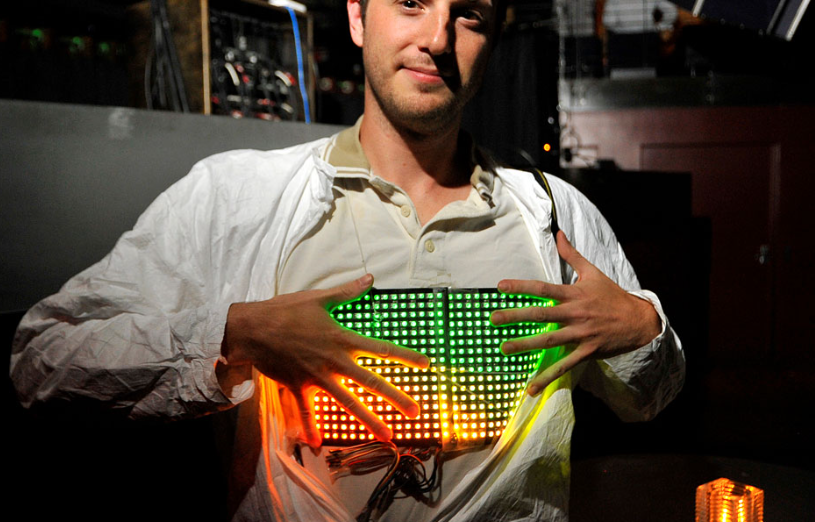
How Wearable Technology Works
Wearable technology is revolutionizing personal health management through its sophisticated integration of sensors and software. These devices continuously gather vital health metrics, such as heart rate and activity levels, providing users with real-time insights. The seamless connectivity between wearables and other digital platforms enhances their functionality. As users engage with this technology, questions arise about the implications for health monitoring and lifestyle choices. What can these innovations reveal about the future of personal wellness?
Key Components of Wearable Technology
Wearable technology encompasses a variety of devices designed to be worn on the body, integrating advanced features that enhance user experience and functionality.
Key components include innovative battery technology, which ensures longevity and performance, and intuitive user interfaces that facilitate seamless interaction.
Together, these elements empower users, promoting freedom to monitor health, fitness, and connectivity without the constraints of traditional devices.
How Sensors and Data Collection Function
The integration of sensors in wearable technology plays a pivotal role in the functionality and effectiveness of these devices.
Various sensor types, including accelerometers and heart rate monitors, capture vital data, enhancing user experience.
Data accuracy is paramount, ensuring reliable feedback for health insights.
As wearables evolve, advancements in sensor technology continue to empower users, promoting freedom through informed decision-making.
The Role of Software and Connectivity in Wearables
While sensors gather critical data, the software and connectivity aspects of wearable technology are equally essential for transforming that data into actionable insights.
Effective software integration enables seamless communication between devices, while robust connectivity protocols ensure reliable data transmission.
Together, these elements empower users to access real-time information, enhancing their autonomy and decision-making capabilities, ultimately fostering a more informed lifestyle.
Conclusion
In the realm of personal health, wearable technology serves as a vigilant lighthouse, illuminating the often murky waters of well-being. By harnessing the power of sensors and software, these devices guide users through the tumultuous seas of fitness and health management. Just as a sailor relies on the lighthouse to navigate safely, individuals can trust wearables to provide essential insights, empowering them to make informed choices and ultimately steer toward a healthier horizon.