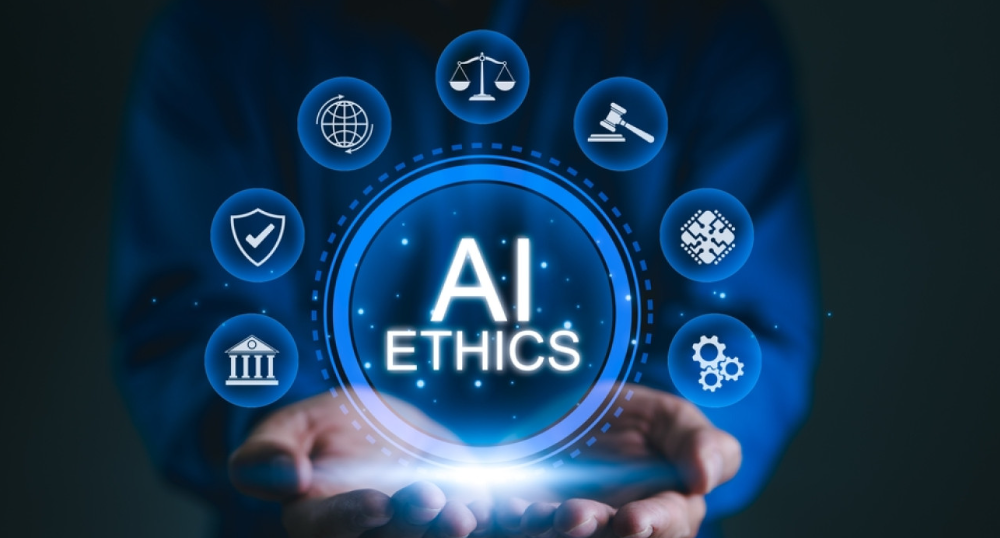
The Ethics of Artificial Intelligence
The ethics of artificial intelligence raises significant concerns about the responsibilities of developers. As AI systems increasingly influence decision-making, questions about accountability and transparency become paramount. Biased algorithms can perpetuate social inequalities, complicating the societal implications of technology. This intersection of ethics and technology prompts a critical examination of how AI impacts human dignity and freedom. Such considerations are vital in shaping a future that values equity and justice. What challenges lie ahead in this evolving landscape?
The Responsibility of AI Developers
As society increasingly integrates artificial intelligence into various sectors, the responsibility of AI developers becomes paramount.
Developer accountability is critical in ensuring that AI systems operate within ethical guidelines. By adhering to these standards, developers can mitigate risks associated with their creations, fostering trust among users.
Ultimately, the ethical conduct of AI developers is essential for the responsible advancement of technology and the protection of individual freedoms.
See also: The Benefits of Smart Home Devices
The Impact of Biased Algorithms
AI developers bear a significant responsibility not only for the functionality of their systems but also for the ethical implications that arise from their design choices.
Biased algorithms can perpetuate social inequalities, highlighting the necessity for data diversity and algorithm transparency.
Without these safeguards, AI systems risk reinforcing existing biases, thereby undermining the potential for equitable and just technological advancements in society.
Societal Implications of AI Decision-Making
While the integration of artificial intelligence in decision-making processes offers numerous efficiencies, it also raises profound societal implications that merit careful examination.
Autonomous systems, guided by ethical frameworks, can influence social structures and individual freedoms.
The potential for bias and lack of accountability necessitates vigilance, ensuring these technologies enhance, rather than undermine, democratic values and human dignity in the decision-making landscape.
Conclusion
In navigating the complexities of artificial intelligence, a curious coincidence emerges: as technology advances, so too does the imperative for ethical stewardship. The responsibility of AI developers intertwines with the societal implications of biased algorithms, highlighting a critical juncture where innovation meets moral obligation. This convergence calls for rigorous accountability and transparency, ensuring that AI serves as a tool for social equity rather than a catalyst for division. Ultimately, the quest for ethical AI reflects a deeper commitment to preserving human dignity in an automated future.